Quick, practical answer
Most people who display handmade flowers indoors find they keep their look for years with basic care; in stable, dry, low-light rooms they can keep looking good for a decade or longer. Conversely, in humid, sunlit, or poorly ventilated rooms you may see fading, soiling or mould within months to a few years.
Why lifespan varies (materials and environment)
Handmade flowers start as plain white paper that’s shaped, dyed and painted by hand. The paper and the dyes/paints used determine how they respond to moisture, heat and light. Paper absorbs and releases moisture; repeated swings in humidity cause swelling, shrinking and paint flaking.
- Humidity — sustained high RH increases risk of mould and paper weakening.
- Temperature — warm conditions speed chemical aging of paper and pigments.
- Light — UV and strong visible light cause fading and colour change.
- Dust and handling — surface dust dulls colour; rough handling can deform petals.
Conservation bodies recommend controlling temperature and relative humidity for paper objects because these factors directly affect chemical and mechanical degradation. That guidance applies to crafted paper flowers too — you won’t need museum conditions, but stable indoor conditions help.
Coastal BC (Metro Vancouver) — what the local climate means for your stems
Greater Vancouver is a coastal, relatively humid place compared with many inland cities; average outdoor relative humidity values are often moderate to high through fall and winter. That outdoor humidity can influence indoor RH, especially in homes without good ventilation or dehumidification.
In practice: a well-ventilated Vancouver apartment with normal heating will usually keep handmade flowers looking fine for years. A damp bathroom, unvented laundry room, or a condo with chronic condensation is where problems show up faster — warping, darker spots, or mould in extreme cases. Preventing those microclimates is the key.
Practical care tips that extend lifespan
You don’t need special equipment to keep handmade flowers looking great. Use these straightforward actions:
- Keep them out of direct sunlight and away from very bright south- or west-facing windows to reduce fading.
- Avoid placing flowers in bathrooms or above stovetops where humidity and steam are frequent.
- Dust gently every 1–3 months with a soft brush or a low-power hairdryer on cool to remove surface dust.
- If you suspect mould or sticky residue, contact your maker for advice rather than rubbing aggressively — moisture can spread staining.
- When not in use, store in a sturdy box with acid-free tissue, flat if possible, to avoid crushing petals.
For shipping or long-term storage, keep stems in a dry, cool place and avoid plastic bags that trap moisture. For display, rotate arrangements out of the sun and re-site them seasonally to reduce cumulative light exposure.
Typical indoor scenarios — what to expect
Here are realistic, experience-based scenarios (what to expect, not promises):
- Low-UV, stable home (heated in winter, shaded windows): looks great for many years — often 5–20+ years with gentle handling and occasional light dusting.
- Bright sunlit room without UV protection: colours can fade noticeably within 1–3 years depending on pigment sensitivity and direct exposure.
- Damp bathroom or poorly ventilated room: risk of spotting, warping or mould — visible issues can show within months if RH is consistently high.
- Stored in a box with acid-free tissue in a cool, dry closet: excellent long-term preservation — decades is feasible under stable conditions.
These ranges reflect how paper responds to humidity, light and temperature. They’re meant to help you choose where to display and how to store your pieces, not to guarantee a specific year count.
About Caro Flower Art — how we fit in
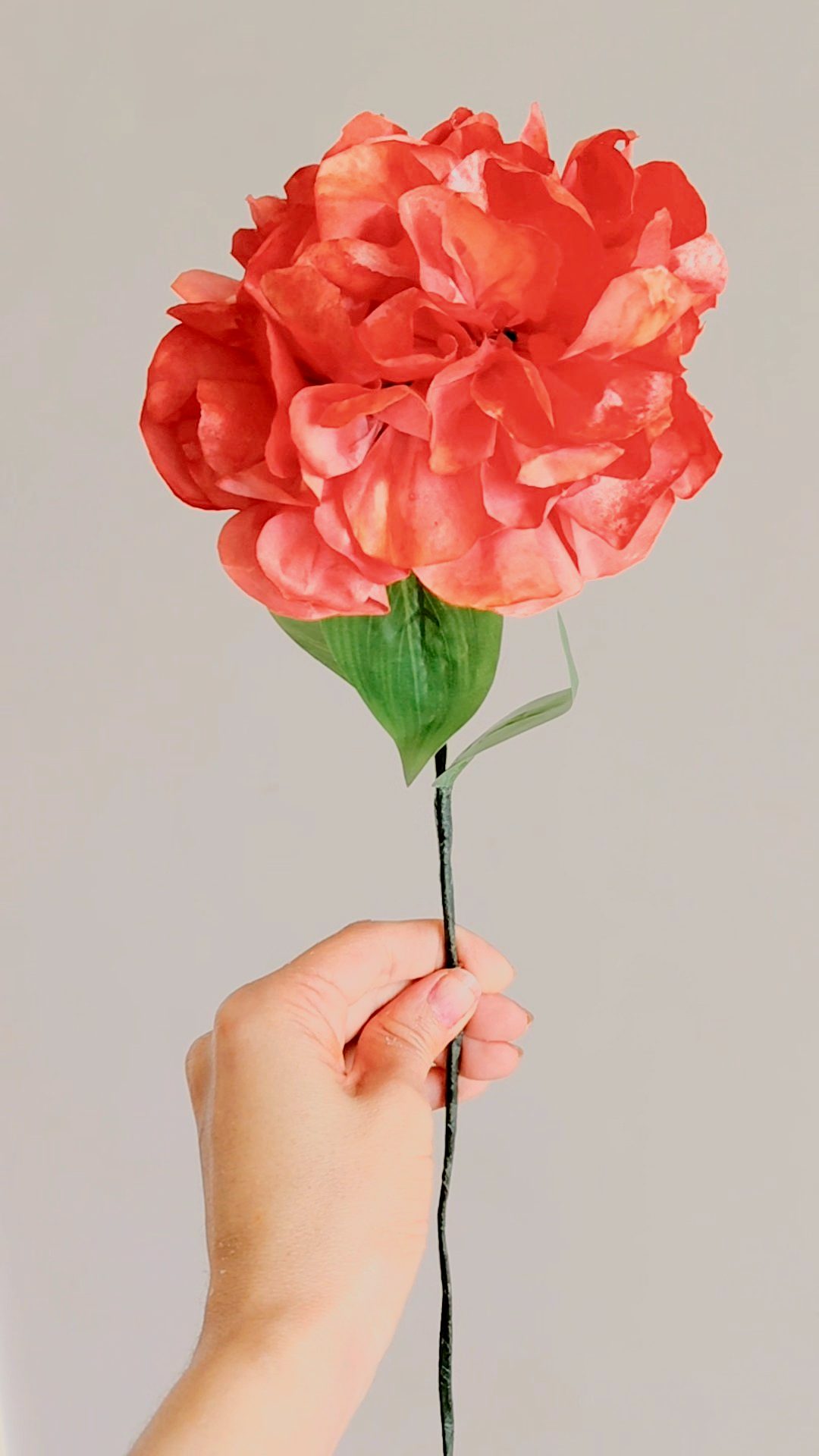
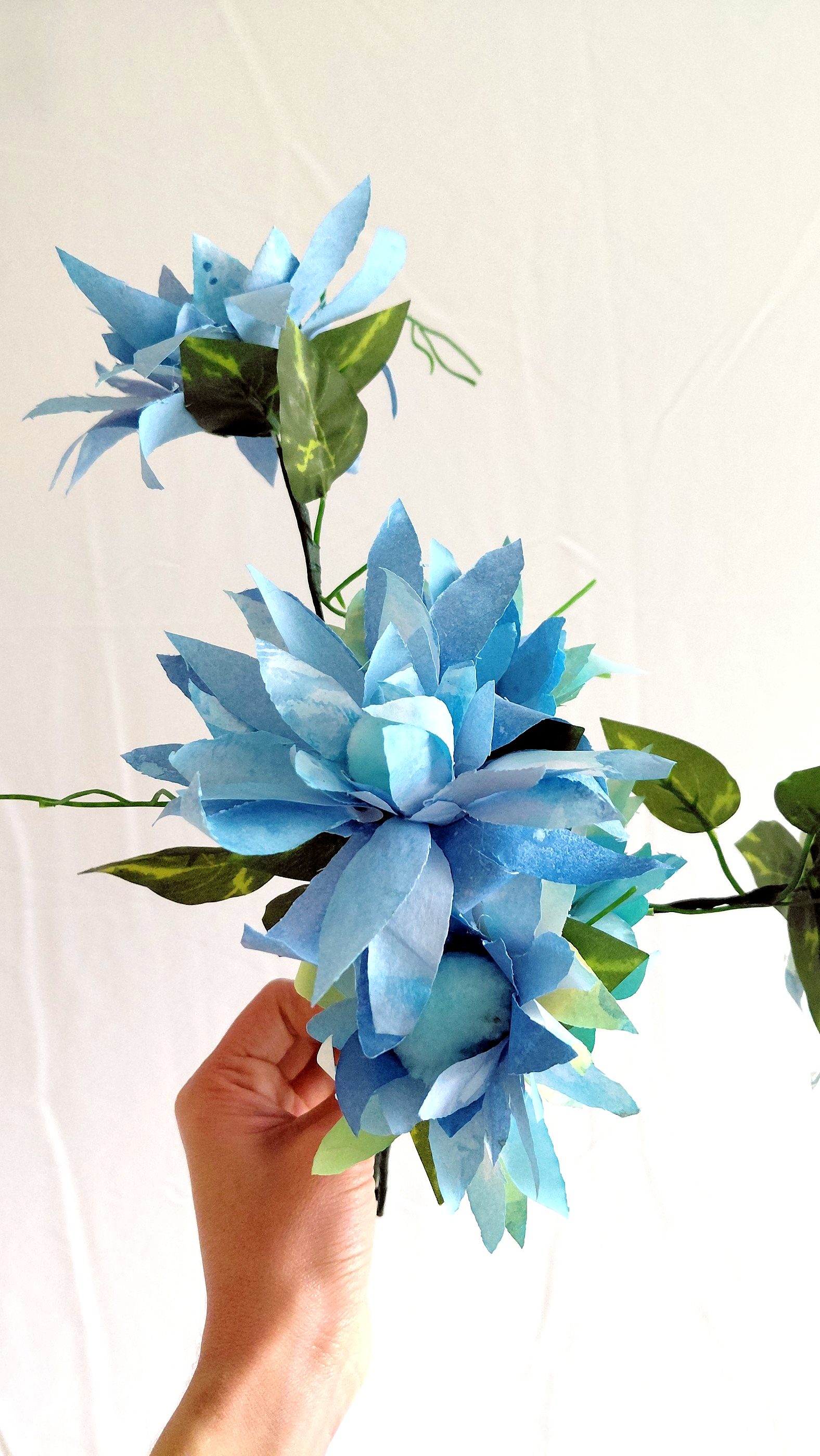
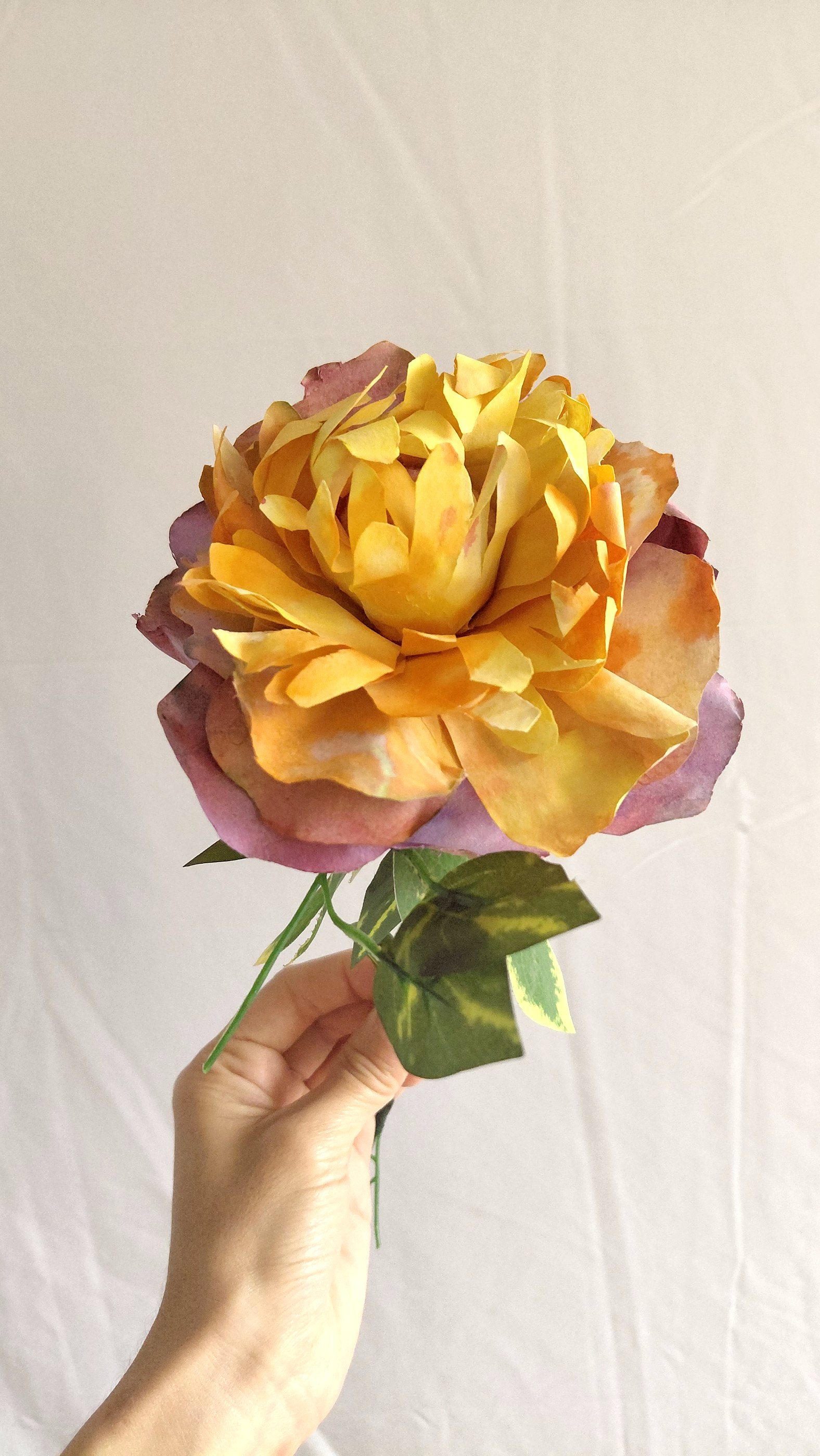
Caro Flower Art is Carolina Soto's small studio in Surrey, BC (Metro Vancouver). She makes handmade flowers that last: each flower starts as plain white paper and she shapes, dyes and paints it by hand so it looks real. She sells single stems (roses, peonies, tulips, hydrangeas, carnations), bouquets, garlands, wall decor, wedding bouquets and large installations for events, homes and restaurants, online at caroflower.com, on Etsy and at local markets. Optional scent is included free on flowers and decorations (not garlands or installations). Local delivery in Surrey, or a hand-off at a meeting spot near a SkyTrain station, arranged with Carolina when you order. Ships in Canada and the US. There is no walk-in studio or store-front pickup.
If you want stems made to suit a humid home, ask about sturdier paper types, tighter sealing of paint layers, and display suggestions when ordering. Browse handmade options at Handmade artificial flowers or see wedding bouquets at paper-flower-wedding-bouquets.
Handmade flowers by Carolina
Each flower starts as plain white paper that Carolina dyes and paints by hand in Surrey, BC. They never wilt.
See all flowers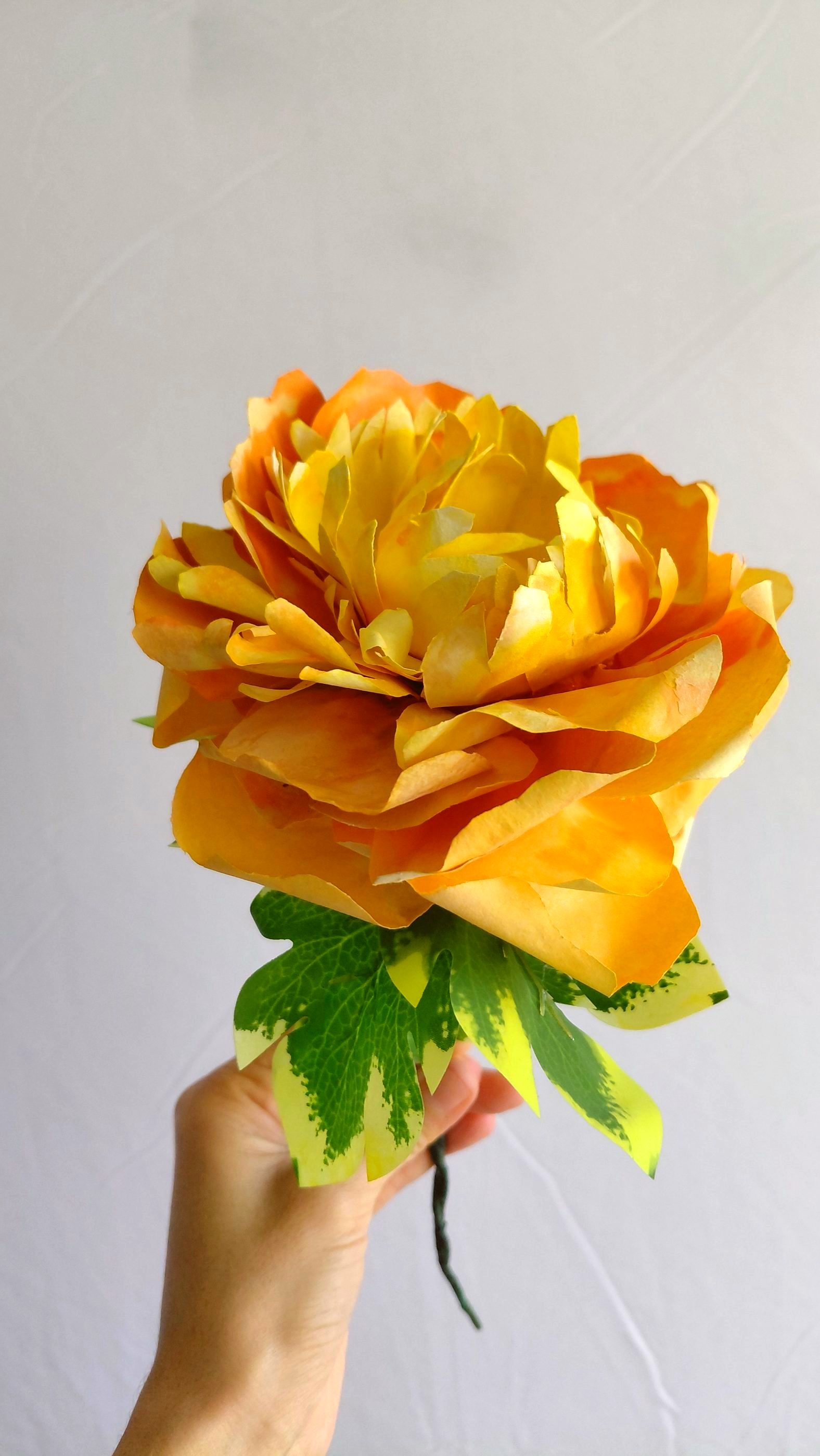
Frequently asked questions
Will the colour on handmade flowers fade?
Yes—like other dyed or painted objects, pigments can fade with prolonged exposure to direct sunlight or strong indoor UV. Keep arrangements out of direct sun and rotate displays to reduce fading.
Can I keep handmade flowers in a bathroom or kitchen?
Avoid long-term display in bathrooms or above stoves because repeated steam and high humidity accelerate staining, warping and mould. Short-term use is fine if ventilation is good.
How should I clean dusty petals?
Use a very soft brush or a cool, low-power hairdryer to blow dust off. Do this gently and test an inconspicuous petal first. Avoid liquid cleaning unless recommended by the maker.
Is scent included safe for long-term display?
Optional scent is included free on flowers and decorations (not garlands or installations). Scent additives can attract dust; if you plan very long-term display, ask about scent placement or request unscented stems.
How should I store flowers between seasons?
Store in a rigid box with acid-free tissue, in a cool, dry place away from sun. Don’t squash petals; a shallow, wide box works best. For very long storage, keep humidity stable below about 55% when possible.
- Caring for paper objects - Preventive conservation guidelines for collections - Canada.ca
- Incorrect relative humidity - Canada.ca
- Canadian Climate Normals 1991-2020 Data - Climate - Environment and Climate Change Canada
- Limiting Light Damage - Collections Care (Preservation, Library of Congress)
- 2.1 Temperature, Relative Humidity, Light, and Air Quality: Basic Guidelines for Preservation — NEDCC